Building a ‘Savings and Investment Union’ Was Never Easy

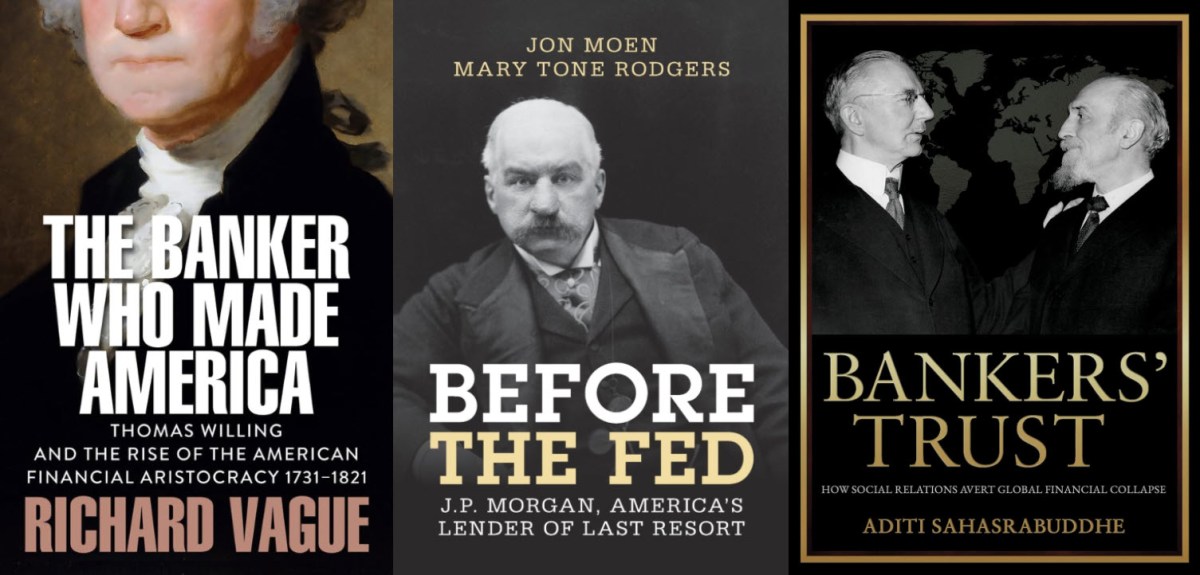
When Europeans complain about the slow pace of progress in building a ‘banking union’, a ‘capital markets union’, or a ‘savings and investment union’, they imply that it was ever easy elsewhere.  The reality is that other compound polities like the United Kingdom, the United States, and Canada have struggled with the same issues of providing financial stability and efficient markets for centuries.  Geoffrey Underhill and I spent the better part of a decade drawing the comparison in these two essays for The World Economy (2023) and the Journal of European Integration (2024).  But you can also see the slow pace of progress in three excellent recent books on American financial history by Richard Vague, Jon Moen and Mary Tone Rodgers, and Aditi Sahasrabuddhe.  The story they tell is about how America was only born because Americans were able to create banks, how it almost collapsed without a functioning central bank, and how it still struggles to find the right balance between efficiency and stability.  These books are essential reading.  The reviews that follow are just a teaser of the insights they bring.

Continue reading →

Central Banking Since the Global Financial Crisis: A Collection

Donald Trump’s assault on the political independence of the U.S. Federal Reserve has been brewing for a long time. And his attack on central bank independence is also not limited to the United States. Governments in other countries have been at it for a while now. The reason is simple. The ‘Great Moderation’ achieved by monetary economists in the 1990s and early 2000s proved unsustainable. The ensuing crisis made it easy for politicians to challenge central bank independence.

Continue reading →

How Long Will the Dollar Remain the World’s Currency?

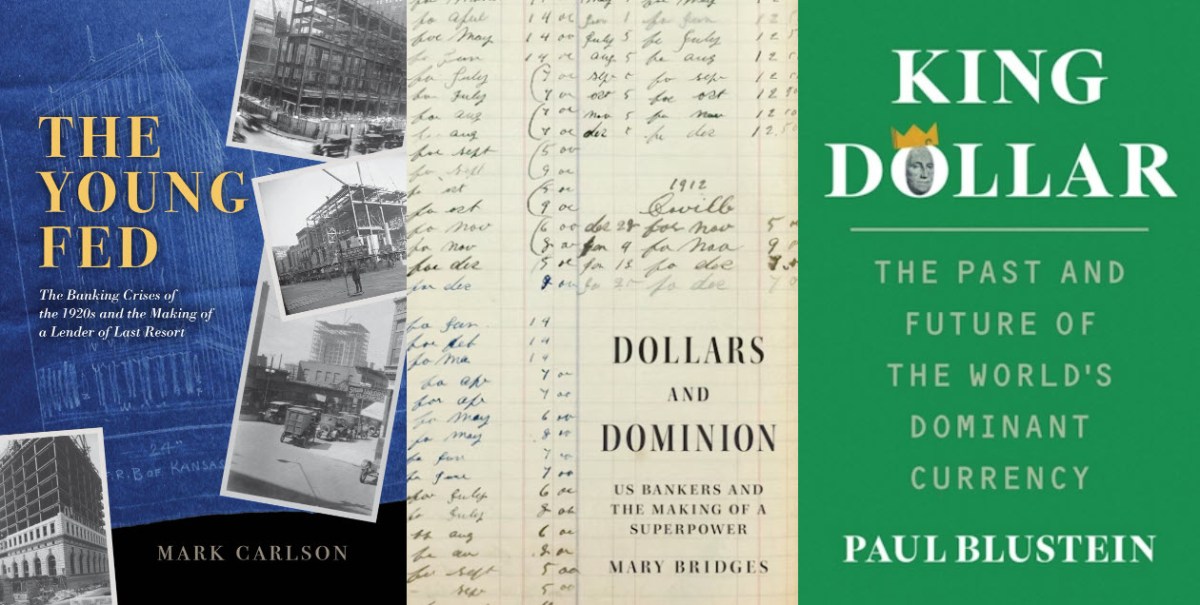
To understand the future of dollar dominance, you need to understand its past.  The recent books about the early experiences of the U.S. Federal Reserve System (Mark Carlson), the spread of U.S. banks abroad (Mary Bridges), and the resilience of the dollar as a global currency (Paul Blustein), offer essential insights for any debate about how either other national currencies or new technologies could replace the dollar in world markets. The dollar’s emergence as a global currency came unexpectedly; its disappearance may be unexpected as well.

Continue reading →