The election of Emmanuel Macron is the triumph of populism and not its demise. His direct appeals to French voters were more compelling than those of Marine Le Pen. Nevertheless, the strategy of the two second-round candidates was much the same: play to emotions and identity; circumvent the established traditions of party politics; run against entrenched elites as much as against the other side. Now comes the hard part of converting a populist movement (En Marche!) into a political party capable of governing the institutions of state (La République En Marche!). Macron’s supporters no doubt realize this is important but are understandably still glowing in the confirmation that their France can embrace hope and change. Thinking back to the last successful hope-and-change candidates, however, it is necessary to stress how things can go wrong.
Author / Erik Jones

The Conflict over European Economic Policymaking
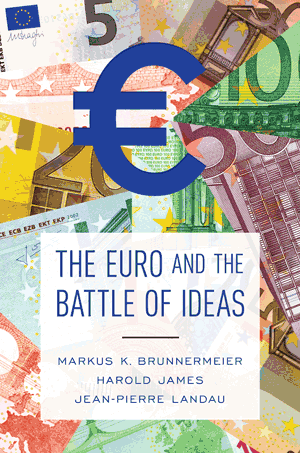
Economic governance is in the eye of the beholder. The French want discretion, flexibility, and effective crisis management; the Germans want rules, discipline, and effective crisis avoidance. The euro as a single currency reflects both tendencies. There are aspects of Europe’s macroeconomic framework that are flexible and responsive (like the European Central Bank) and aspects that are more rigid and formulaic (like the ‘six pack’ and ‘two pack’ of policy coordination procedures that strengthen the ‘Stability and Growth Pact’). The challenge for Europeans is to find a sustainable balance. Too much of either tendency is not only unacceptable to one side or the other in the Franco-German partnership, it is also unlikely to work in stabilizing either the euro as a single currency or the European Union as a political project.
A Europe of National Responsibility
If there is one theme that unites European responses to the global financial crisis, it is national responsibility and not European solidarity. There have been moments of solidarity to be sure. The creation of first temporary and then permanent bailout funds was the most obvious; the unconventional monetary policies of the European Central Bank (ECB) and ECB President Mario Draghi’s ‘whatever it takes speech’ count as well. Nevertheless, with the exception of the European Stability Mechanism (ESM), these moments of solidarity have been exceptional, temporary and transitional. They bought time for governments to restructure their banks, consolidate their finances, reform their market institutions, and prepare for an uncertain future so that another round of crisis summits and rushed institution-building will no longer be required. Once this transition period is over, cross-border redistribution and burden-sharing can be kept to a minimum. That is the objective.
Trump, Populism, and the Identity of Europe
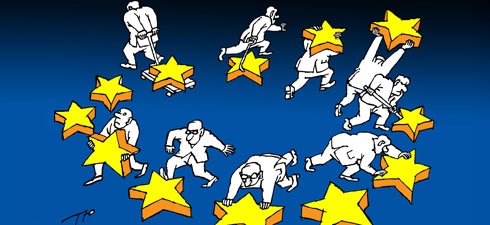
The inauguration of Donald Trump as 45th President of the United States represents the triumph of populism over the world’s greatest democracy. It also sets the stage for populists to make further gains across Europe. Trump’s affection for Nigel Farage is plain to see. His affinity for (and his attraction to) populists of other shades is easy to find as well. The challenge is to sort out what this means for the European project. Populists tend to stake out Euroskeptical positions, and Donald Trump has made no secret of his indifference for the European Union, but it is hard to say just how populists can have a lasting impact unless they somehow manage to seize control over government.

Populism in Europe: A Government & Opposition Collection
The political landscape of Europe is changing rapidly and in ways that are hard to interpret. The recent Italian referendum is a good illustration. Matteo Renzi inherited an agenda to reform the Italian constitution when he became prime minister. He negotiated an agreement with the centre-right on the precise details of the package. He shepherded the agreement through two majority votes in each of Italy’s two chambers of parliament. He then brought the agreement to a popular vote as per constitutional requirement and with an electorate broadly disenchanted with politics and therefore favourable to reform. Nevertheless, virtually every party outside the government opposed the reform package and Renzi lost the referendum vote by a spread of twenty percentage points. Now Renzi is out of office. Italy is without a viable electoral system because of changes made in anticipation of the (failed) constitutional reforms. And it is unclear whether the new government headed by Paolo Gentiloni has sufficient support in the Senate to pass a new electoral law. Most Italians did not want Renzi’s constitutional reforms and yet they are not happy with the status quo either. Disillusionment with politics has grown as a result.

What the Apple Fine Tells Us about Multinationals and Taxation
On 30 August 2016, the European Competition Commissioner, Margrethe Vestager, announced that ‘Ireland granted undue tax benefits up to EUR 13 billion to Apple.’ Those benefits distort competition within the European marketplace and so the Commission instructed Ireland to recover the unpaid taxes. This announcement ignited a storm of protest from Apple and from the Irish government. It also sparked a wider debate about how multinational companies are taxed and about whether some form of tax harmonization is essential to the functioning of Europe’s internal market. Although some general principles have emerged from the conversation, the deeper implications of the controversy remain unclear. The debate here is less about the treatment of a single company than about the way European governments have tried to promote regional development and how the United States has relied on multinational corporations to exert influence in the wider world.

The ‘Wormhole Community’ of Central Bankers
The United States is not the only country where the consensus on central bank independence is in trouble; central bankers across the formerly communist world are facing sustained political challenge as well. The difference in the formerly communist world is that central bank norms, practices and policies never fit as well in the institutional context of regimes in transition and the consensus spread only weakly outward from the central banks themselves. This is the argument Juliet Johnson makes in her brilliant book on the role that central bankers played in the transformation of the post-communist world.
Renzi’s Gamble
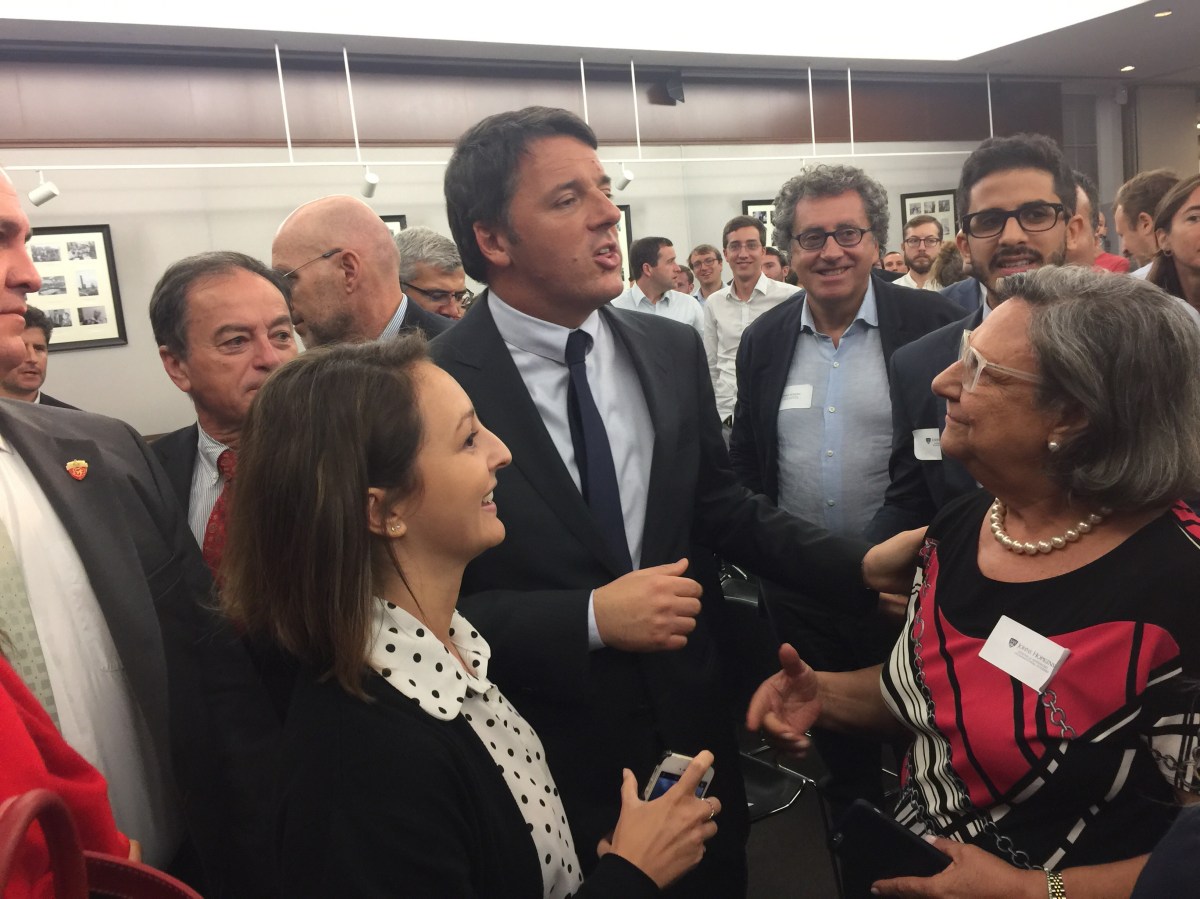
The meme that is circulated about the referendum in Italy is that Prime Minister Matteo Renzi gambled heavily and lost. Having staked his political future on the success of a controversial constitutional reform package, Renzi has now placed both the country’s financial system and the euro area as a whole in jeopardy. As with most memes, there is some truth hidden in this assertion. There is also much that is misleading. The complicated reality is that Renzi must have recognized that it would be hard to win the referendum. He also must have realized that he had little choice but to try.
Italy’s Referendum and the Future of the EU
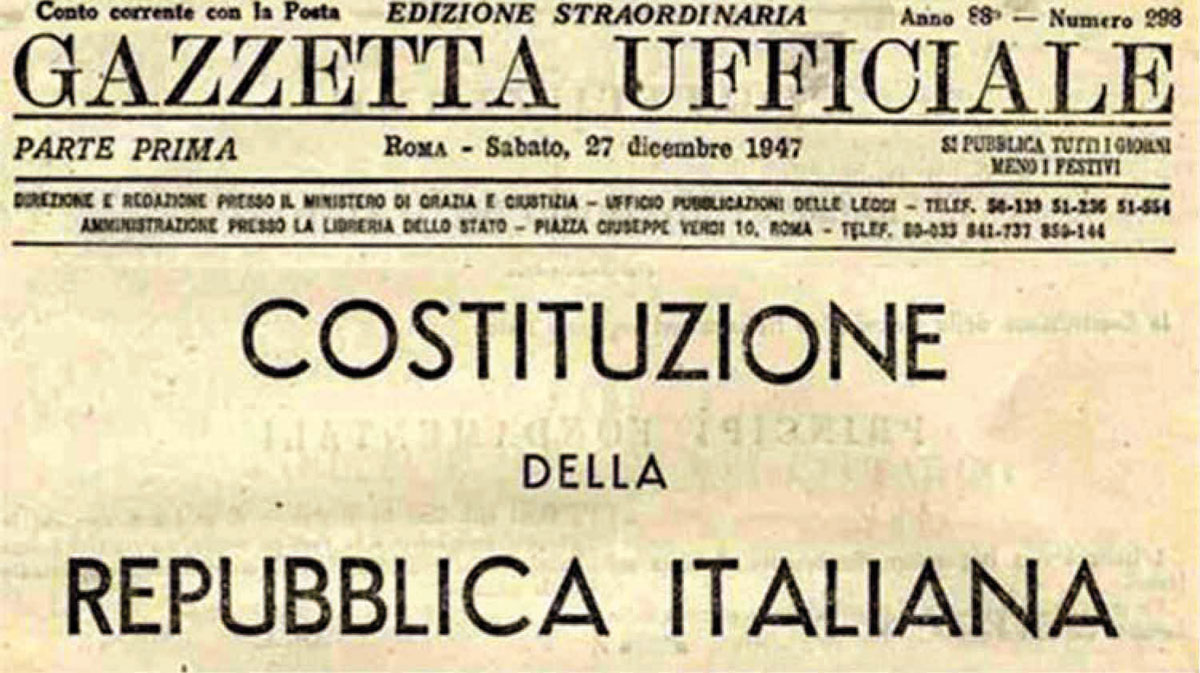
Italians head to the polls on Sunday, December 4, to approve or reject a series of constitutional reforms that will redirect policy competence from the regions to the state, that will transform the Senate into a council of regions, and that will concentrate power in the Chamber of Deputies and the national government. Italian Prime Minister Matteo Renzi argues that these reforms are necessary to equip Italy with the flexibility needed to compete in the global economy of the 21st Century. His opponents counter that changing the constitution this way will eliminate critical checks and balances and so make the country vulnerable to authoritarianism if not dictatorship.

Why We Need a Theory of Disintegration
The British vote to leave the European Union (EU) has introduced a new political dynamic in Europe. For lack of a better term, let’s call it ‘disintegration’. The problem is that we know very little about the many different motivations and other forces at work. Disintegration is not integration in reverse. We cannot simply take the many different models or interpretations of what brought European countries together and run them backward to understand events as they are unfolding. We cannot use past experience as much of a guide to anticipate future events or developments either. Lacking a coherent theory of disintegration, we are left to rely primarily on guesswork. Given how most commentators performed in forecasting Britain’s vote to leave the EU, my suspicion is that much of that guesswork will prove inaccurate. We are still sailing in uncharted waters.

