What the Apple Fine Tells Us about Multinationals and Taxation

On 30 August 2016, the European Competition Commissioner, Margrethe Vestager, announced that ‘Ireland granted undue tax benefits up to EUR 13 billion to Apple.’ Those benefits distort competition within the European marketplace and so the Commission instructed Ireland to recover the unpaid taxes. This announcement ignited a storm of protest from Apple and from the Irish government. It also sparked a wider debate about how multinational companies are taxed and about whether some form of tax harmonization is essential to the functioning of Europe’s internal market. Although some general principles have emerged from the conversation, the deeper implications of the controversy remain unclear. The debate here is less about the treatment of a single company than about the way European governments have tried to promote regional development and how the United States has relied on multinational corporations to exert influence in the wider world.

Continue reading →

The ‘Wormhole Community’ of Central Bankers

The United States is not the only country where the consensus on central bank independence is in trouble; central bankers across the formerly communist world are facing sustained political challenge as well. The difference in the formerly communist world is that central bank norms, practices and policies never fit as well in the institutional context of regimes in transition and the consensus spread only weakly outward from the central banks themselves. This is the argument Juliet Johnson makes in her brilliant book on the role that central bankers played in the transformation of the post-communist world.

Continue reading →

Renzi’s Gamble

The meme that is circulated about the referendum in Italy is that Prime Minister Matteo Renzi gambled heavily and lost. Having staked his political future on the success of a controversial constitutional reform package, Renzi has now placed both the country’s financial system and the euro area as a whole in jeopardy. As with most memes, there is some truth hidden in this assertion. There is also much that is misleading. The complicated reality is that Renzi must have recognized that it would be hard to win the referendum. He also must have realized that he had little choice but to try.

Continue reading →

Italy’s Referendum and the Future of the EU

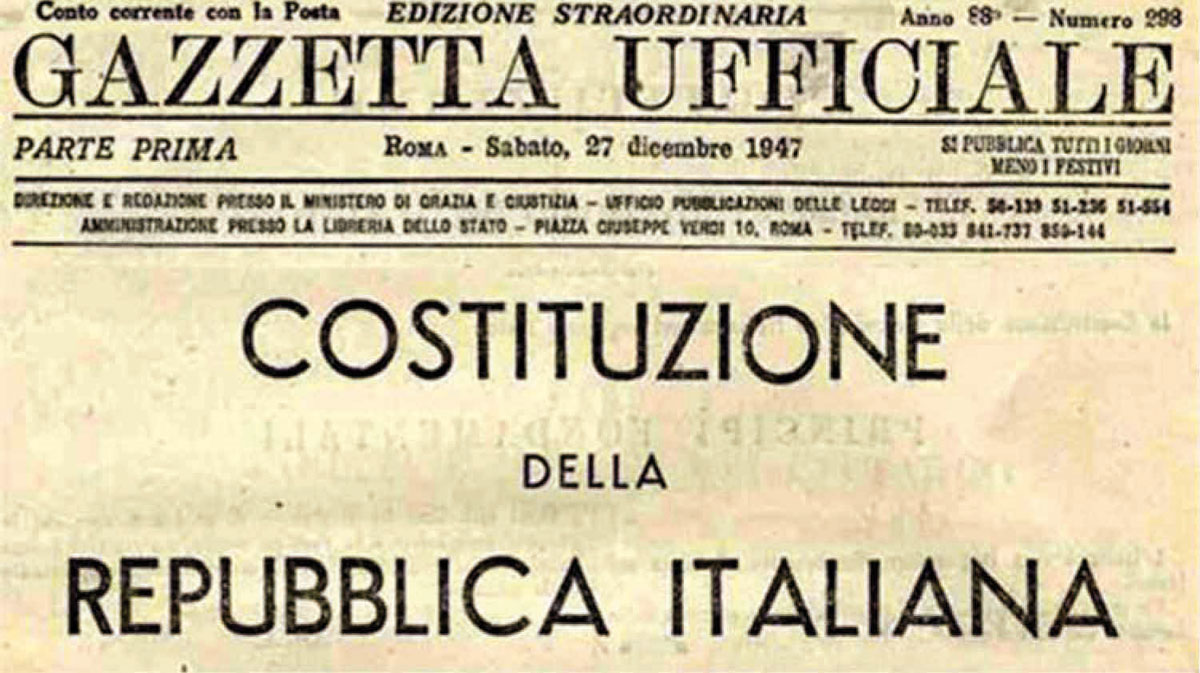
Italians head to the polls on Sunday, December 4, to approve or reject a series of constitutional reforms that will redirect policy competence from the regions to the state, that will transform the Senate into a council of regions, and that will concentrate power in the Chamber of Deputies and the national government. Italian Prime Minister Matteo Renzi argues that these reforms are necessary to equip Italy with the flexibility needed to compete in the global economy of the 21st Century. His opponents counter that changing the constitution this way will eliminate critical checks and balances and so make the country vulnerable to authoritarianism if not dictatorship.

Continue reading →

Why We Need a Theory of Disintegration

The British vote to leave the European Union (EU) has introduced a new political dynamic in Europe. For lack of a better term, let’s call it ‘disintegration’. The problem is that we know very little about the many different motivations and other forces at work. Disintegration is not integration in reverse. We cannot simply take the many different models or interpretations of what brought European countries together and run them backward to understand events as they are unfolding. We cannot use past experience as much of a guide to anticipate future events or developments either. Lacking a coherent theory of disintegration, we are left to rely primarily on guesswork. Given how most commentators performed in forecasting Britain’s vote to leave the EU, my suspicion is that much of that guesswork will prove inaccurate. We are still sailing in uncharted waters.

Continue reading →

Europe Is an Unsafe Haven after Trump’s Victory

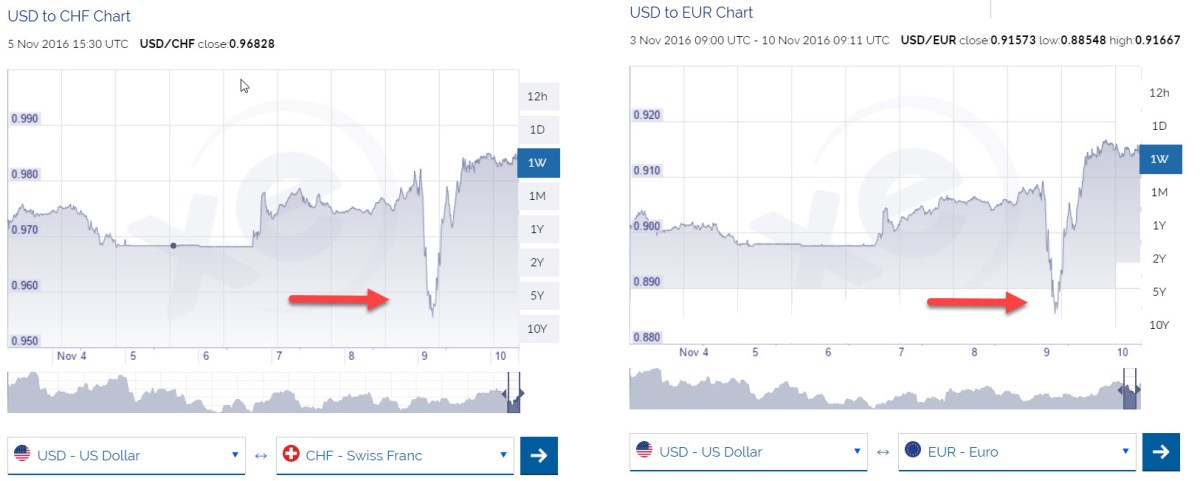
The surprise victory of Donald J. Trump in the United States (US) presidential elections briefly pushed the euro, the Swiss franc, and the Danish kroner up against the dollar. It also pushed down the yields on high quality sovereign debt and it temporarily sent equity markets into the red. This was all to be expected. Like almost everyone, market participants thought Hilary Clinton would gain the White House alongside a predominantly Republican Congress. They placed their bets to take advantage of another four years of competent administration and legislative logjam. A Trump victory upset that calculation and so some of those market participants were trying to safeguard their capital until they could get a better sense of what is happening. The assumption they made was that Europe can act as a safe-haven. Unfortunately, that assumption is mistaken.

Continue reading →

The Left in Europe: A House Divided

The center left in Europe is ceding ground almost everywhere. The British Labour Party not only lost the May 2015 elections but then threw itself into the arms of Jeremy Corbyn. Barring a Brexit debacle for the ruling conservatives, Labour is unlikely to return to power in the next decade despite Corbyn’s success at recruiting new party activists. The Spanish socialist workers party (PSOE), having been weakened by widespread corruption, jettisoned its leader and looks ready to offer tacit support for a minority government led by the conservative Popular Party (PP) to avoid facing the voters this December.

Continue reading →

Italy’s Referendum Risks

The U.S. Ambassador to Italy, John Phillips, caused a minor uproar by telling the Italians that international investors were going to be disappointed with a ‘no’ vote in the upcoming referendum on constitutional reforms.  At about the same time, Finch announced that a popular rejection of the reforms would put downward pressure on the country’s ratings.  The Italians responded that the ambassador should mind his own business and that the ratings agencies should find some new analysts.  Italy will be fine whatever the referendum outcome, they insisted.  If anything, this unwelcome foreign intervention is going to encourage the Italians to vote against the reforms just to prove a point.  The echoes with Brexit were obvious – and widely noted.  So is Italy headed for disaster or is this just another storm in a teacup?

Continue reading →

A Compelling Vision for Europe

Europe’s heads of state and government face a real dilemma. They want to attract support for European integration from the people of Europe and they also want to show the outside world that the European Union remains a major source of dynamism and innovation. So the question is how best to achieve those two goals. Should they propose a new project that will attract everyone’s attention or should they try to come up with some ‘vision’ that explains why Europe still matters?

Continue reading →

Referendums, Europe, and the ‘Forbidden Planet’

The British referendum sent shockwaves across Europe. Contrary to expectations, the vote to Leave defeated the vote to Remain by 52 to 48 percent. The turnout was high and the outcome was uniformly distributed. The only major exceptions were the votes in favor of remaining in the European Union (EU) cast in London, Northern Ireland, and Scotland. Without those areas of support, the vote to leave would have been even more decisive. The explanations are mostly negative. The English voted overwhelmingly against outside interference, elites, experts, and immigration. They also voted against ‘fear mongering’. What they voted for was a mixture of self-determination and something different. How they will use that autonomy remains to be seen. At the moment, the British ruling elite is too engaged in soul-searching and leadership contests to offer much in the way of vision.

Continue reading →