Central Banking Since the Global Financial Crisis: A Collection

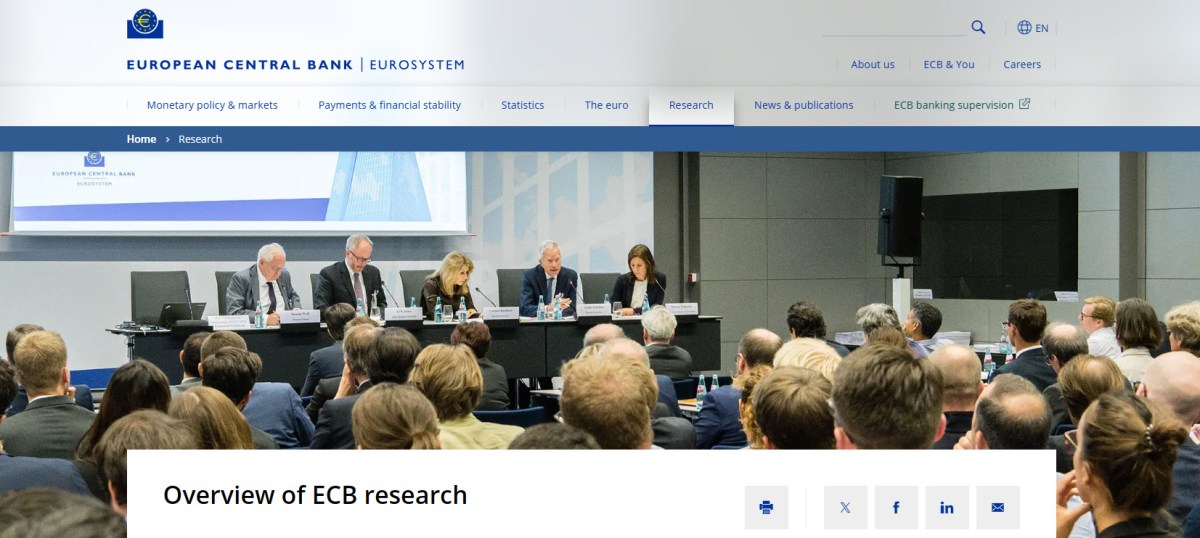
Donald Trump’s assault on the political independence of the U.S. Federal Reserve has been brewing for a long time. And his attack on central bank independence is also not limited to the United States. Governments in other countries have been at it for a while now. The reason is simple. The ‘Great Moderation’ achieved by monetary economists in the 1990s and early 2000s proved unsustainable. The ensuing crisis made it easy for politicians to challenge central bank independence.

Continue reading →
Why Institutions Matter and Yet People Still Choose to Break Them: A Collection

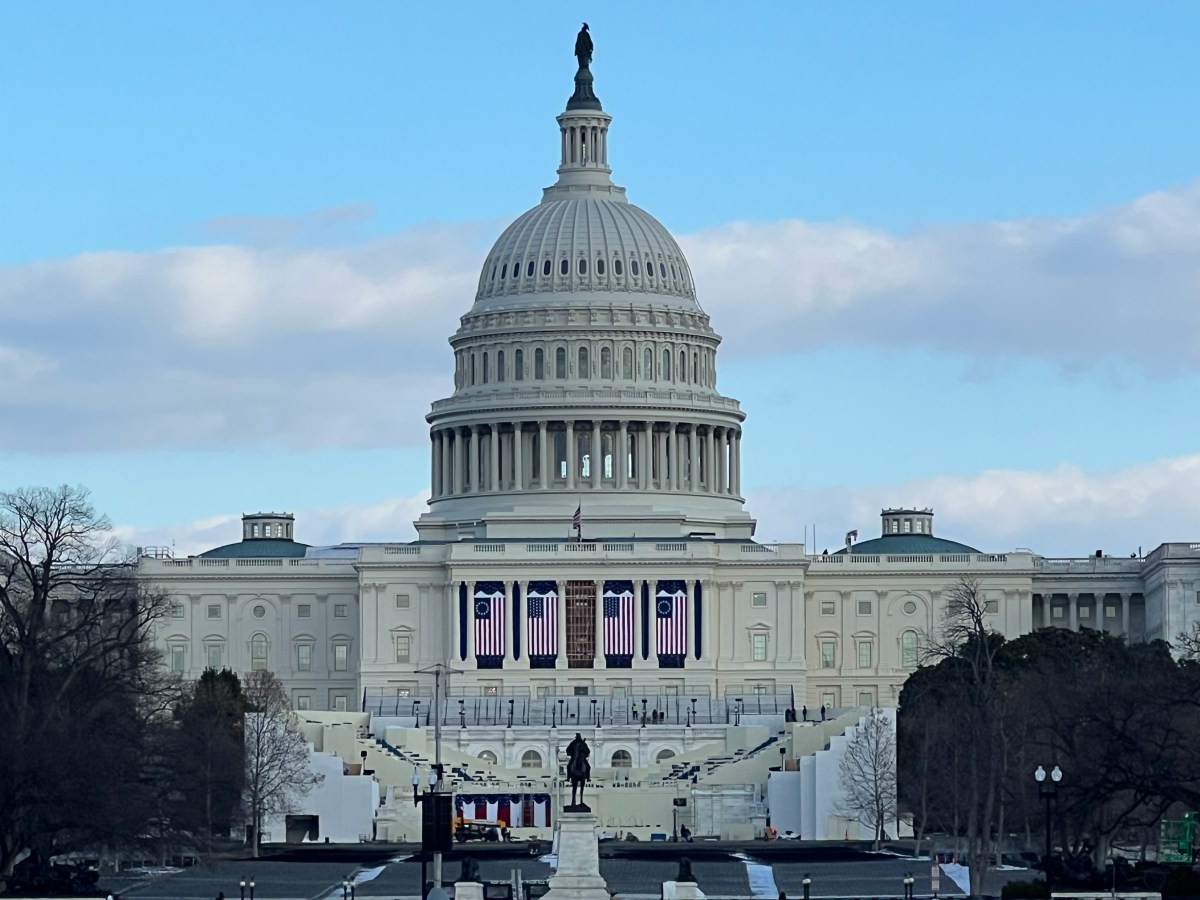
When Donald J. Trump came back into power, his team brought along a 900+ page programme for dismantling the institutions of government. There is a certain irony to that. Trump’s team clearly hates ‘bureaucracy’, but you need a lot of staff and a substantial organizational structure to produce a 900+ page edited volume. The irony only deepens when you realize how much time the people who contributed to that volume have thought about both the institutions of government and the institutions created to help people think about the institutions of government.

Continue reading →

Rethinking Europe in an Age of Uncertainty: From Club to Commons

If water started disappearing from the European continent, glaciers melted, rivers ran dry, rain stopped falling, you would think Europeans would come together to do something about it.  They would look closely and compare notes about the sources and uses of water.  They would study why the supply was running down and they would find ways to restrict demand to match.  This would not be an easy task.  It was not an easy task for the communities of the ancient world that lived between the Tigris and the Euphrates either.  Humankind has learned to adapt to these sorts of challenges through bitter experience.  Europeans might fail to pull together, and Europe might be overtaken by the desert.  But they would try very hard to find a solution before they let that happen, and they would work with whomever is necessary to ensure their success.

Continue reading →

Regulation, Simplification, and European Values

Europe needs to strike a balance between regulation and simplification. To do so, Europeans need to agree on working together. This is not an easy condition to meet, particularly when it suggests a normalisation of extremist politics. Yet retreating from Europe is not an option. If anything, national politics is even more divided. Learning to find common ground and working together is the only sustainable way forward. Doing so will involve compromises, many of which will be difficult to accept. But there is no better alternative.

Continue reading →

How Long Will the Dollar Remain the World’s Currency?

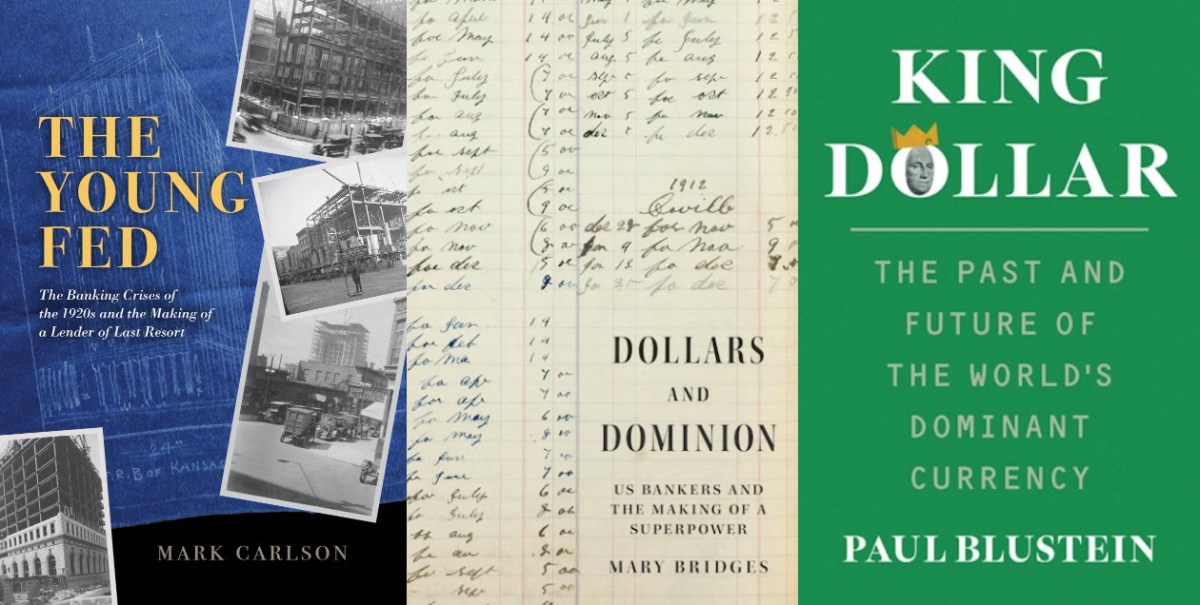
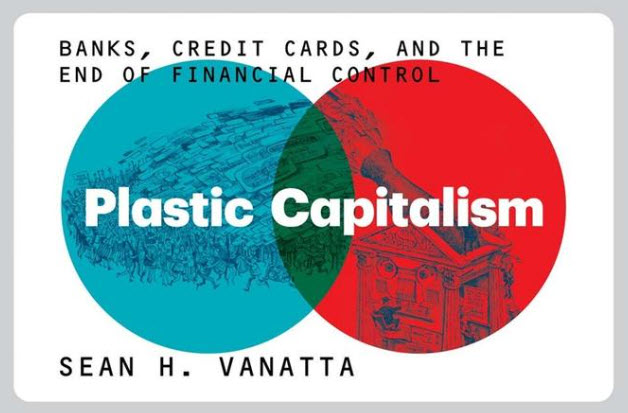
To understand the future of dollar dominance, you need to understand its past.  The recent books about the early experiences of the U.S. Federal Reserve System (Mark Carlson), the spread of U.S. banks abroad (Mary Bridges), and the resilience of the dollar as a global currency (Paul Blustein), offer essential insights for any debate about how either other national currencies or new technologies could replace the dollar in world markets. The dollar’s emergence as a global currency came unexpectedly; its disappearance may be unexpected as well.

Continue reading →

The European Union as an Innovation in Politics

People look at the European Union and complain that it is not like a nation state. The EU is slow-moving, indecisive, and lacking in conviction. Look at the weakness of the EU’s response to the atrocities in Gaza, its ineffectiveness in standing up to the United States, and its inability to replace American support for Ukraine. Even the EU’s commitment to climate action appears to be wavering.

Such complaints ignore that the EU is not like a nation state for good reason. The European project exists to temper the behaviour of nation states. It is designed to smooth over the contradictions in liberal democracy and, in doing so, make those democracies both more resilient and more legitimate. And the EU is unique. Only Europeans benefit from that political innovation. The United States does not. Neither does Brazil, Russia, India, China, or South Africa.

Continue reading →

Nationalism, Cosmopolitanism, and the European Project

Four recent books – by Sergio Fabbrini, Robert L. Nelson, Iryna Vushko, and Isaac Stanley-Becker – challenge any presumptions about the uniqueness of recent European experience.  They also force us to reflect on how the integration of Europe connects with the integration of individual countries (Fabbrini), how the experience of colonization has shaped the European continent (Nelson), how lessons from Europe’s imperial past continue to influence visions of its future (Vushko), and how the effort to promote freedom of movement has revealed a tension between nationalism and cosmopolitanism that runs across the European project (Stanley-Becker).

Continue reading →

Abandoning Institutionalism

The rise of populism and the weakening of democracy have captured attention across advanced industrial societies, particularly among liberal elites on the centre left. How could voters elect politicians who undermine the provision of social services, chip away at the rule of law, coopt or constrain the free media, and at times even threaten to bankrupt the state? How could they reward or even tolerate those leaders for engaging in overt acts of corruption while at the same time preventing any plausible alternative or opposition group from holding them to account through free and fair elections? Sure, people may feel they got a bad deal from globalization, and they may resent the pretensions – both cultural and intellectual – of an overly educated, out-of-touch elite. A little outrage and protest seem appropriate to gain attention. But why are they turning against the institutions that were created to serve advanced industrial societies, from the smallest local authority through the welfare state to the rules-based multilateral system?

Continue reading →

Europe: Mortal, Yet Resilient

The European Union can fail, but it doesn’t have to. That is the message that you read across Emmanual Macron’s 2024 Sorbonne speech, in Mario Draghi’s 2024 report on ‘competitiveness’, and in Draghi’s speeches in Rimini and Brussels last August and September. The argument about failure is primarily a call to action. Both the speeches and the report are long on detail about what Europeans need to do and why they need to do it. What they leave open is what failure would look like and why it would happen.

Continue reading →